

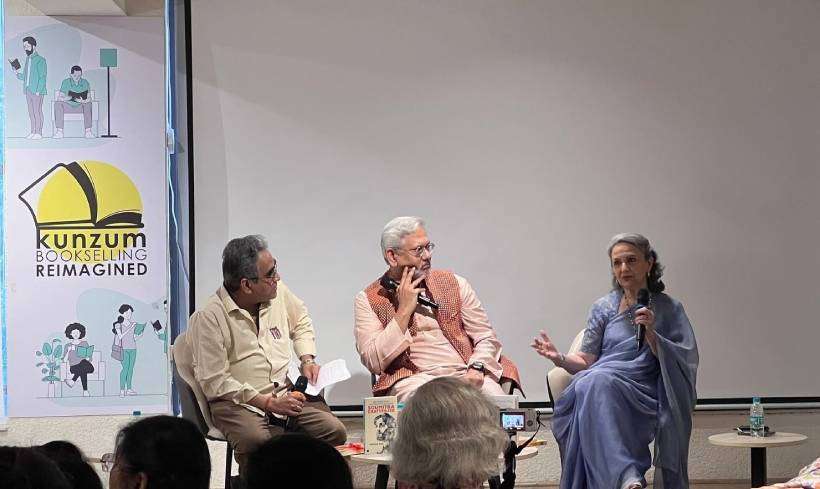
 (L to R) Shantanu Ray Chaudhuri, Amitava Nag and Sharmila Tagore at the Discussion on Tapan Sinha and the golden era of Bengali Cinema at Kunzum, GK-2, New Delhi
Legendary actor Sharmila Tagore recalled her experiences of working with filmmaker Tapan Sinha at a discussion with author and Silhouette editor Amitava Nag and editor Shantanu Ray Chaudhuri
Legendary actor Sharmila Tagore recalled her experiences of working with master filmmaker Tapan Sinha, whom she fondly addressed as ‘Tapan Kaku’ and her costars of Bengali cinema, at a discussion with author and Silhouette editor Amitava Nag and editor Shantanu Ray Chaudhuri today at an evening dedicated to celebrating the cinema of Tapan Sinha and the golden era of Bengali cinema.
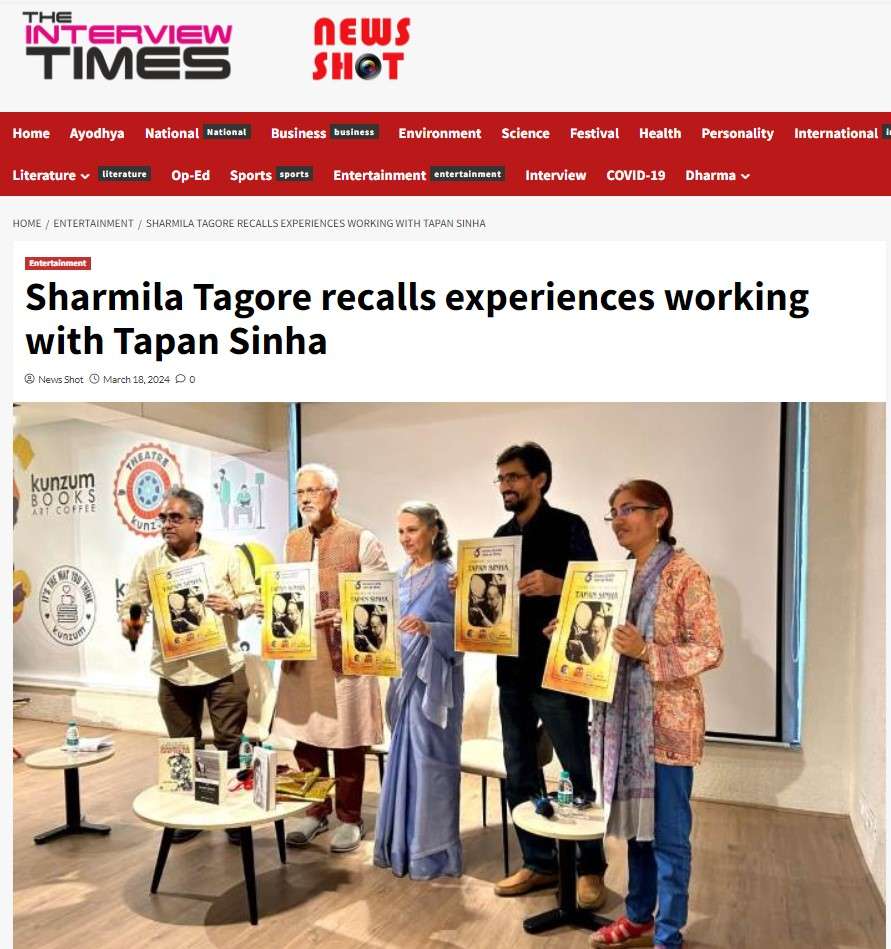
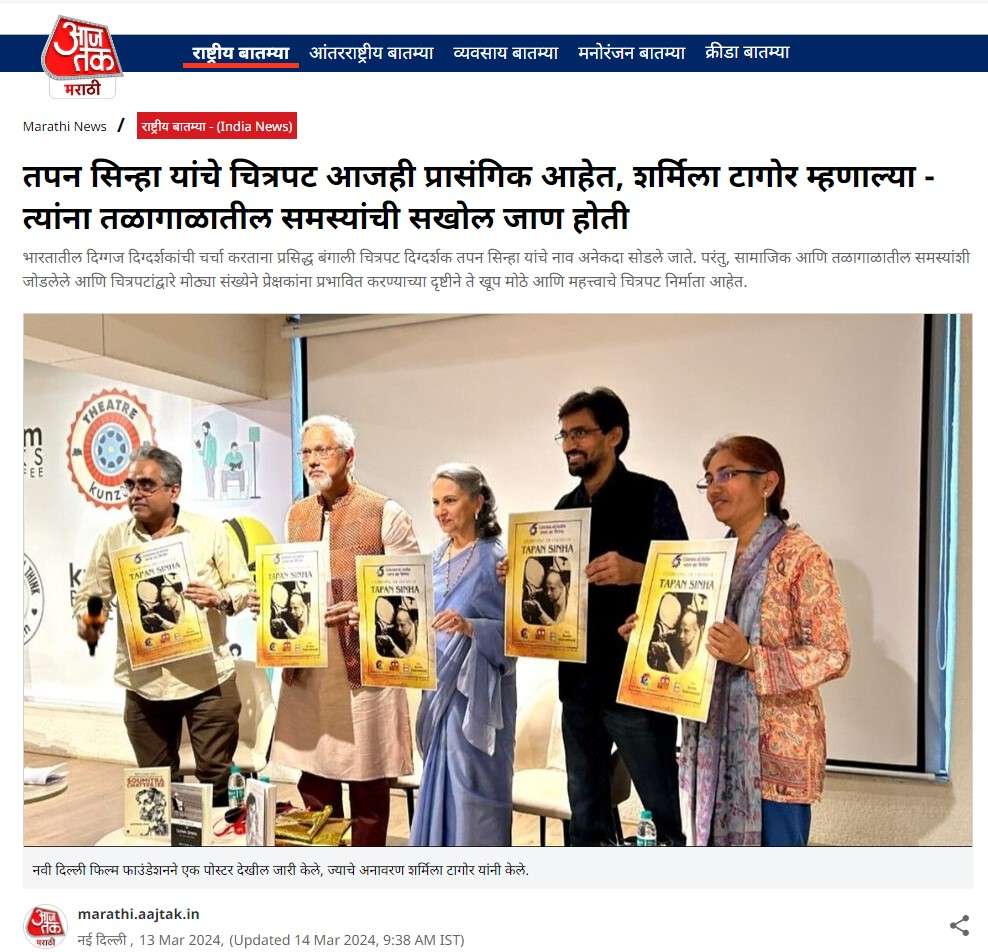
The event was organised jointly by Om Books International, Kunzum Books, Blue Pencil and New Delhi Film Foundation at Kunzum, GK-2, New Delhi. A commemorative poster on Tapan Sinha was released on the occasion and Nirjan Saikate, the Tapan Sinha masterpiece starring Sharmila Tagore was screened.
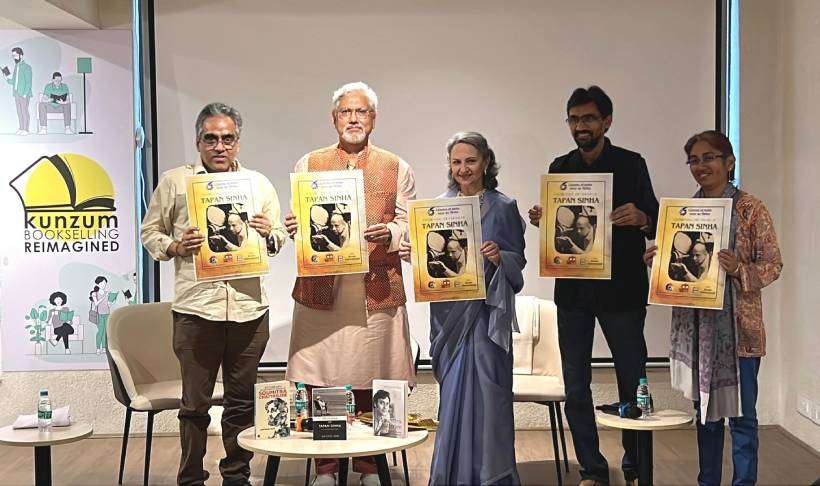 (L to R) Shantanu Ray Chaudhuri, Amitava Nag, Sharmila Tagore, Ashish K Singh (New Delhi Film Foundation) and Antara Nanda Mondal (Blue Pencil) releasing a commemorative poster of Tapan Sinha
Tapan Sinha was a very learned person, recalled Sharmila Tagore, “very soft spoken, you had to strain your ears to hear him.” Elaborating that Sinha was highly respected for his work across the film industry, Sharmila Tagore mentioned it is not easy to convince someone like Dilip Kumar to go and work in a Bengali-Hindi bilingual film (Sagina Mahato). “He never got angry or raised his voice,” she said.
Sharmila Tagore recalled how Tapan Sinha’s films celebrated humanism and relationships. Giving the example of Nirjan Saikate, Sharmila Tagore said that in this film Sinha shows how the 4 Bengali widows, who have been deprived from all joys of living, suddenly experience liberation when they meet the sea. Amitava Nag added that although it is said no two films of Tapan Sinha are same, the common thread that runs through all of them is the celebration of the human spirit – the refusal of the protagonist to die defeated such as Banchharam (Manoj Mitra) in Banchharamer Bagan and the teacher (Soumitra Chatterjee) in Aatanka.
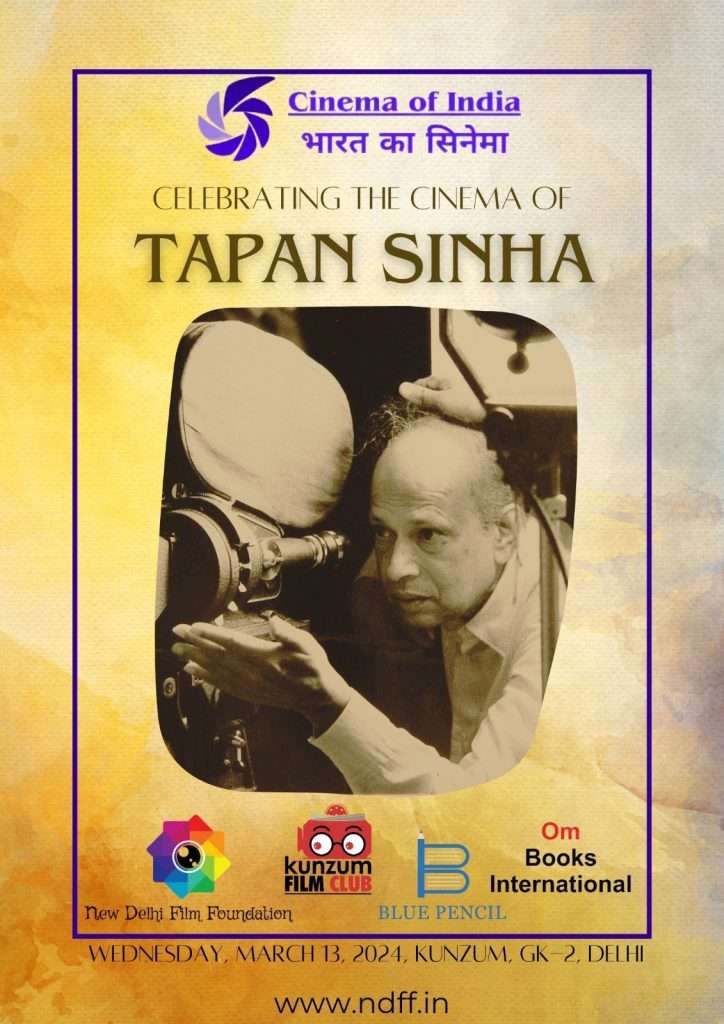 The poster, courtesy NDFF, released on the occasion
Sharmila Tagore also recalled her fond memories of working with Soumitra Chatterjee, Shubhendu Chatterjee and Rabi Ghosh among others. Films nowadays are not made the way they were made then, money is the benchmark now, she said.
Recalling Soumitra’s portrayal of Mayurbahan in Jhinder Bandi, Shantanu talked about how Soumitra could get under the skin of the character to leave an indelible mark. Sharmila Tagore added that Soumitra would slide into the character when he would start applying the makeup for the shoot. “He always supported me and stood up for me whenever there was any criticism against me,” she said.
Sharmila Tagore and Amitava emphasized that Tapan Sinha, like Ray, was a director who was structured and organized in the way he worked on his projects, keeping within budget and paying his crew in time.
Blue Pencil’s books on cinema and other genres were displayed at the event by Kunzum books.
Watch this space for more reports on the event.
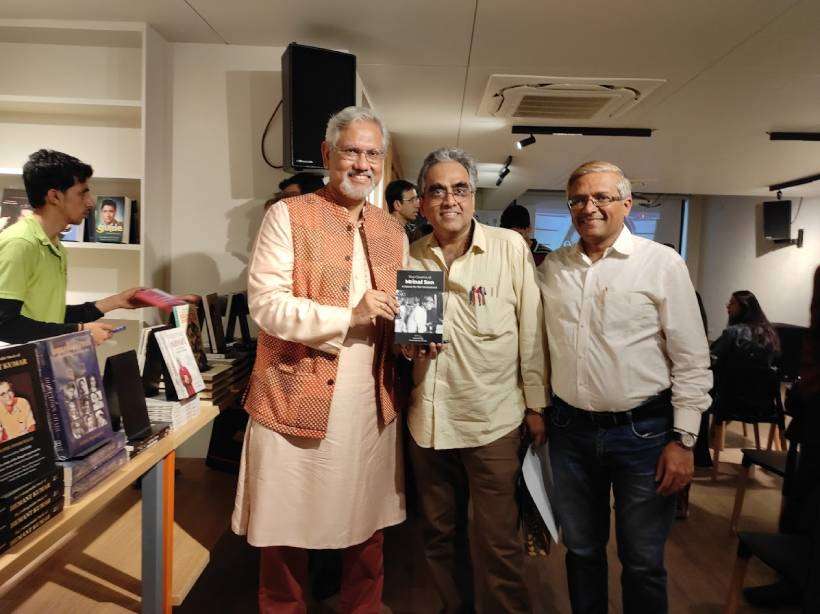 Amitava Nag with Shantanu Ray Chaudhuri and Partho Mondal posing for the camera with The Cinema of Mrinal Sen: A Quest for the Unresolved, the newly released Blue Pencil publication
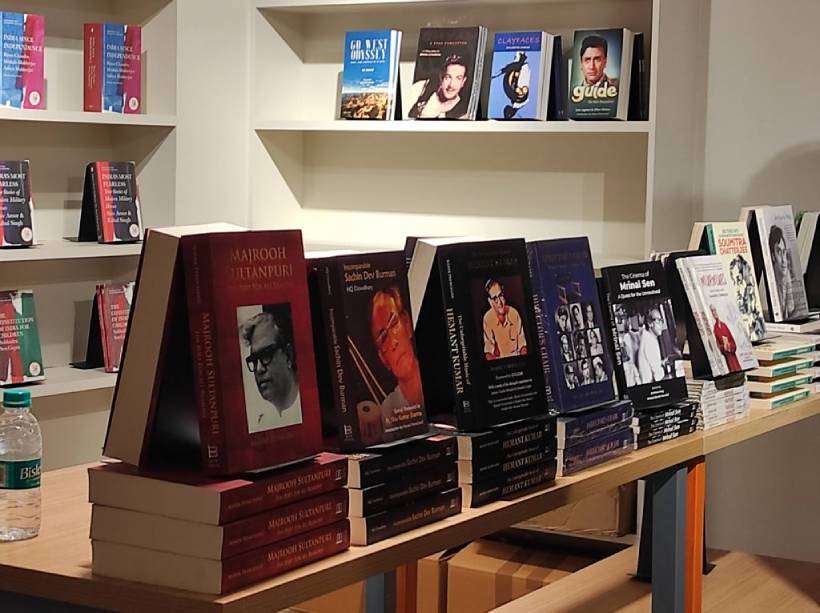 Blue Pencil books on display at the event
Media Coverage of the Event
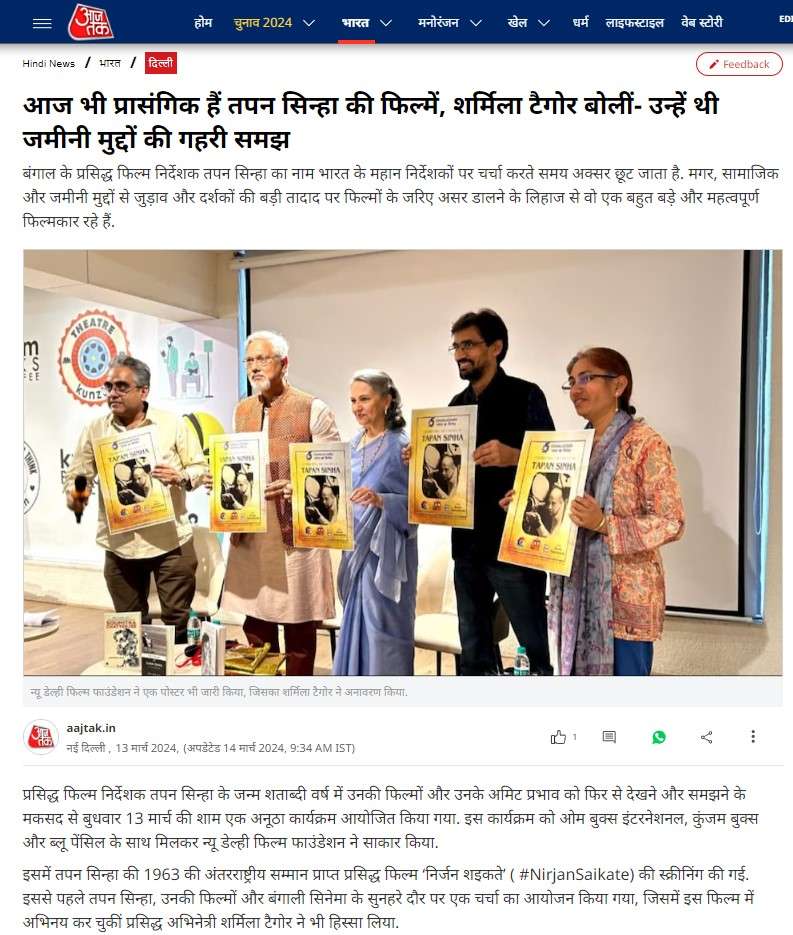 Aajtak (Read full story)
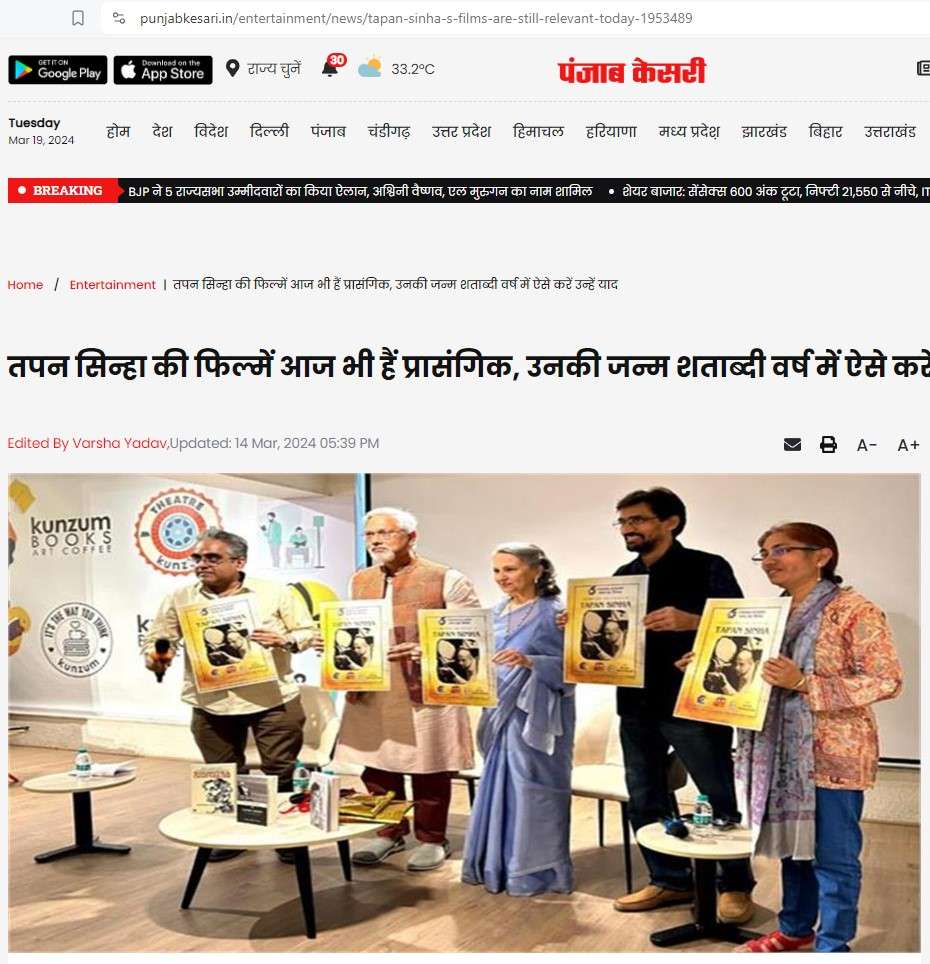 Punjab Kesari (Read full story)
 Navoday Times (Read full story)
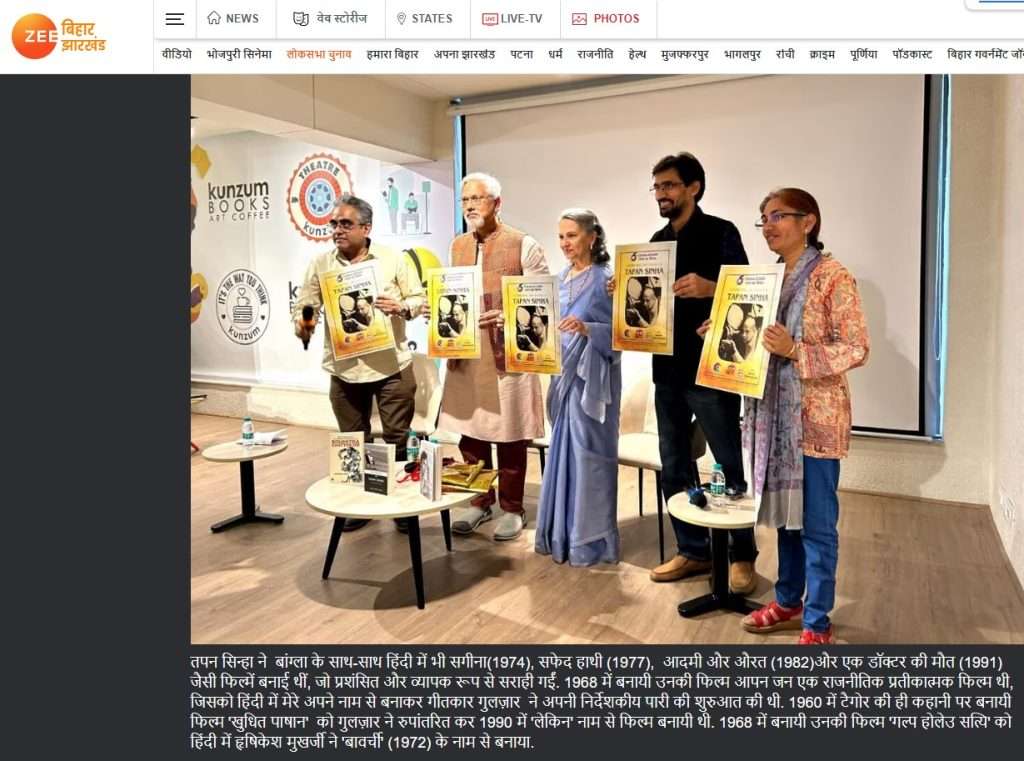 Zee News – Bihar Jharkhand (Read full story)
 The Interview Times
 Aajtak Marathi
More Must Read on Silhouette
Tapan Sinha and the Triumvirate of Bengali Cinema
Never Have I Made the Same Kind of Film: An Interview With Tapan Sinha (Part-I)
I’d Never Allow My Mind To Gather The Moss Of Stagnation: An Interview With Tapan Sinha (Part-II)
I Cherish A Thrill For Adventure: An Interview With Tapan Sinha (Part-III)
I Am A Worshipper Of All Things Beautiful: An Interview With Tapan Sinha (Part-IV)