

By Jyoti Babel
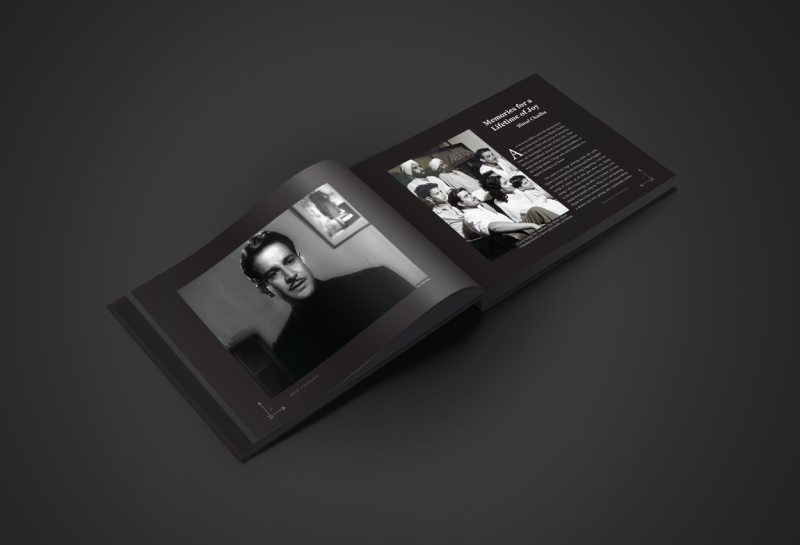
Most readers never think about book formatting. They don’t pause to admire margins or line spacing. They don’t notice paragraph breaks or chapter openings. When formatting works, it stays invisible.
But when it fails, readers feel it instantly. They struggle to stay focused. Pages feel heavy. Reading becomes work. And in many cases, they simply stop reading.
This is why professional book formatting is critical. Not because readers notice it, but because they experience it.
Formatting shapes how readers experience your book
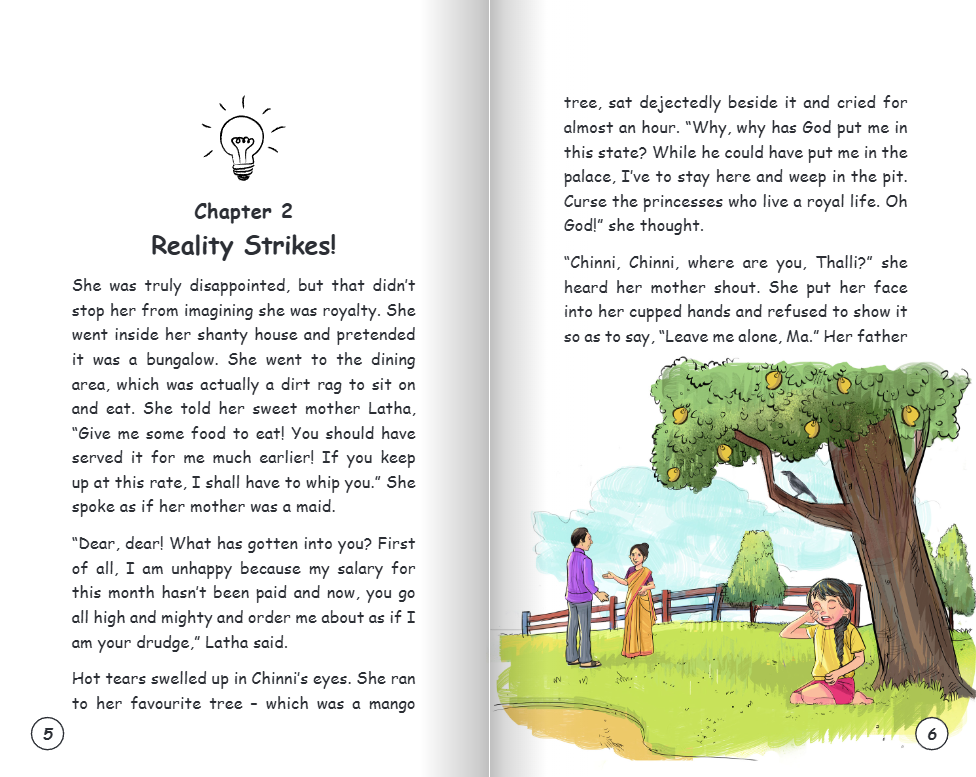
Formatting is not a technical step added at the end of writing. It is part of how your book communicates.
Every formatting decision influences how readers move through your text. Line spacing controls visual comfort. Paragraph structure affects pacing. Page layout determines whether ideas feel clear or overwhelming.
When formatting supports your writing, readers glide through the pages. When it doesn’t, even strong content feels difficult to engage with. Good formatting makes your words easier to absorb.
Why readers notice bad formatting immediately
Readers may not know the rules of formatting, but they sense when something feels off. Common issues include cramped text, inconsistent spacing, awkward page breaks, and unclear chapter transitions. These problems create friction.
Friction pulls readers’ attention away from your message. Instead of focusing on ideas, readers focus on the page. Their eyes tire faster, and their patience wears thin. The book feels unpolished, even if the writing is strong.
Poor formatting breaks immersion. And once immersion breaks, trust follows.

Formatting is a signal of professionalism
Before readers judge your ideas, they judge the presentation.
A well-formatted book signals care, credibility, and seriousness. It tells readers that the author respected the craft enough to get the structure right.
This matters even more for:
- First-time authors
- Self-published books
- Nonfiction and thought leadership titles
In competitive marketplaces, presentation often decides whether a reader continues or walks away.
Formatting quietly sets expectations. It frames how your work is perceived.

The invisible work behind readability
Professional formatting works in the background. It creates visual hierarchy so readers instantly understand structure. It maintains consistency so pages feel calm and predictable. It balances text density so reading never feels exhausting.
This kind of work is subtle. It requires precision and restraint. The goal is not decoration. The goal is ease. When formatting succeeds, readers forget the page and focus on meaning.
Print and digital require different formatting approaches
One of the most common mistakes writers make is treating print and digital formatting the same way.
They are not. Print books demand fixed layouts that account for page size, margins, binding, and page turns. Digital formats must adapt to multiple screens, font sizes, and devices.
Professional formatting respects these differences. It ensures that your book reads smoothly in print and functions properly on e-readers, without compromising clarity in either format. A single file rarely works well everywhere.
Why templates and automated tools fall short
Many writers rely on templates or automated software because they seem convenient. These tools can produce functional files, but they don’t adapt to the nuances of your book.
They don’t respond well to complex structures, mixed content, or genre-specific expectations. They also struggle with long manuscripts where consistency truly matters.
What looks acceptable on a screen often reveals flaws in print. Professional book formatting addresses your book as a complete system, not a generic file.
How formatting supports long-term success
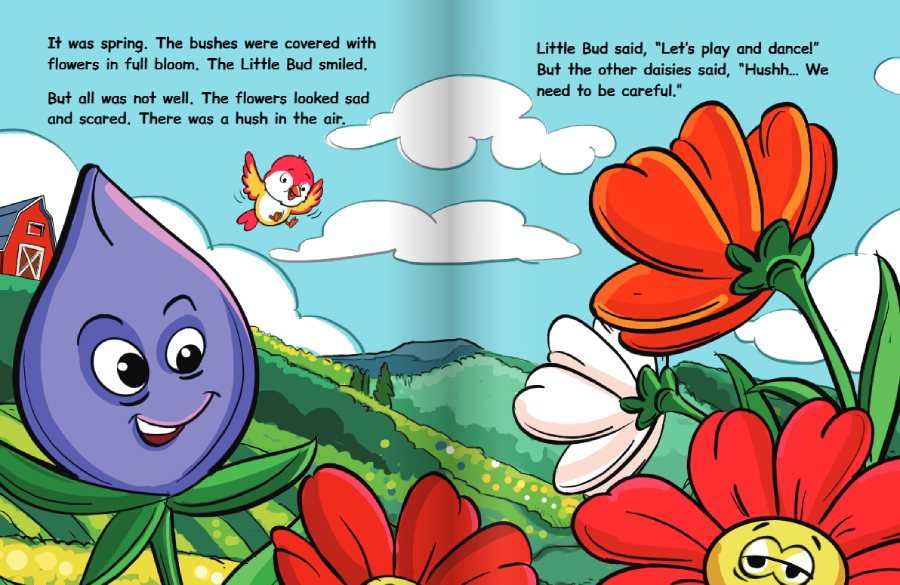
Formatting affects more than first impressions. Well-formatted books receive fewer complaints about readability. They earn better reviews. They feel easier to return to and recommend.
They are also easier to revise, reprint, and adapt for future editions. When formatting is done right the first time, it protects your book’s long-term value.
This is where the true importance of book formatting becomes clear, not as a visual upgrade, but as a foundation.
Formatting respects the reader’s time
Readers give you their attention willingly but conditionally. They expect clarity and comfort. They expect a smooth experience. Professional formatting honors that expectation.
It removes unnecessary obstacles between your ideas and your audience. It allows your voice to come through without distraction. This is especially important for writers seeking reliable formatting services from those who understand both craft and reader behavior.
When formatting disappears, your writing shines
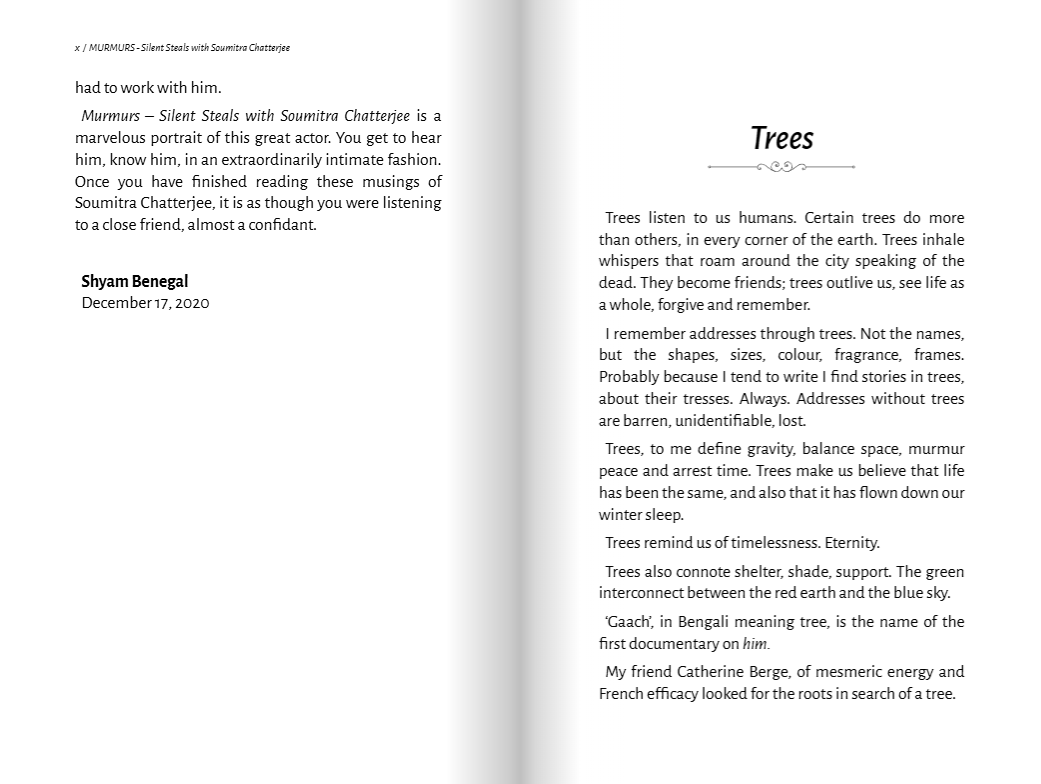
The best formatting does not announce itself. It disappears. Pages feel natural. Chapters flow. Ideas land cleanly. Readers stay immersed from start to finish.
That invisibility is not accidental. It is designed. Professional formatting exists to serve the writing, not compete with it.
Professional formatting support from Blue Pencil Publishers
At Blue Pencil Publishers, we approach formatting as part of the storytelling process.
Our book formatting services focus on readability, consistency, and platform-specific precision. We format with readers in mind and writers in focus, ensuring your book feels professional, credible, and effortless to read.
If you want your work to be experienced the way it deserves to be read, professional formatting makes the difference.
Contact us today to know more.
More to read on Blue Pencil:
Beyond Words: Why Book Illustrations Matter
The Power of a Second Pair of Eyes: Why Peer Reviews Aren’t Enough
Editing for Clarity and Conciseness: How to Write Less and Say More
 Jyoti is a Content Developer and a lover of books, an Engineer by education who finally found her calling in words. Taking long walks, practising yoga, listening to music, meeting a good friend over a cup of tea, baking the perfect cake – all these little things make her happy in their own way. Jyoti enjoys writing on a wide range of topics, but her favourites are food, books, travel, and culture.